
Wum Council Launches 2026 Budget Roadmap, Urges Stakeholder Collaboration for Realistic Development
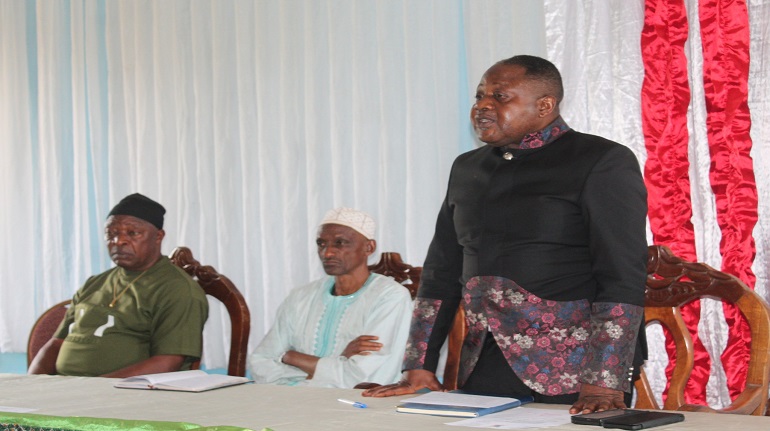
The Wum Council has officially launched its preliminary financial planning phase, convening a robust budget orientation debate on the highly anticipated 2026 municipal budget. The session, held at the Council Chambers, served as a crucial platform to shift the focus from merely aspirational spending to collaborative, realistic financial planning, with the overall goal of building a municipality worth living in.
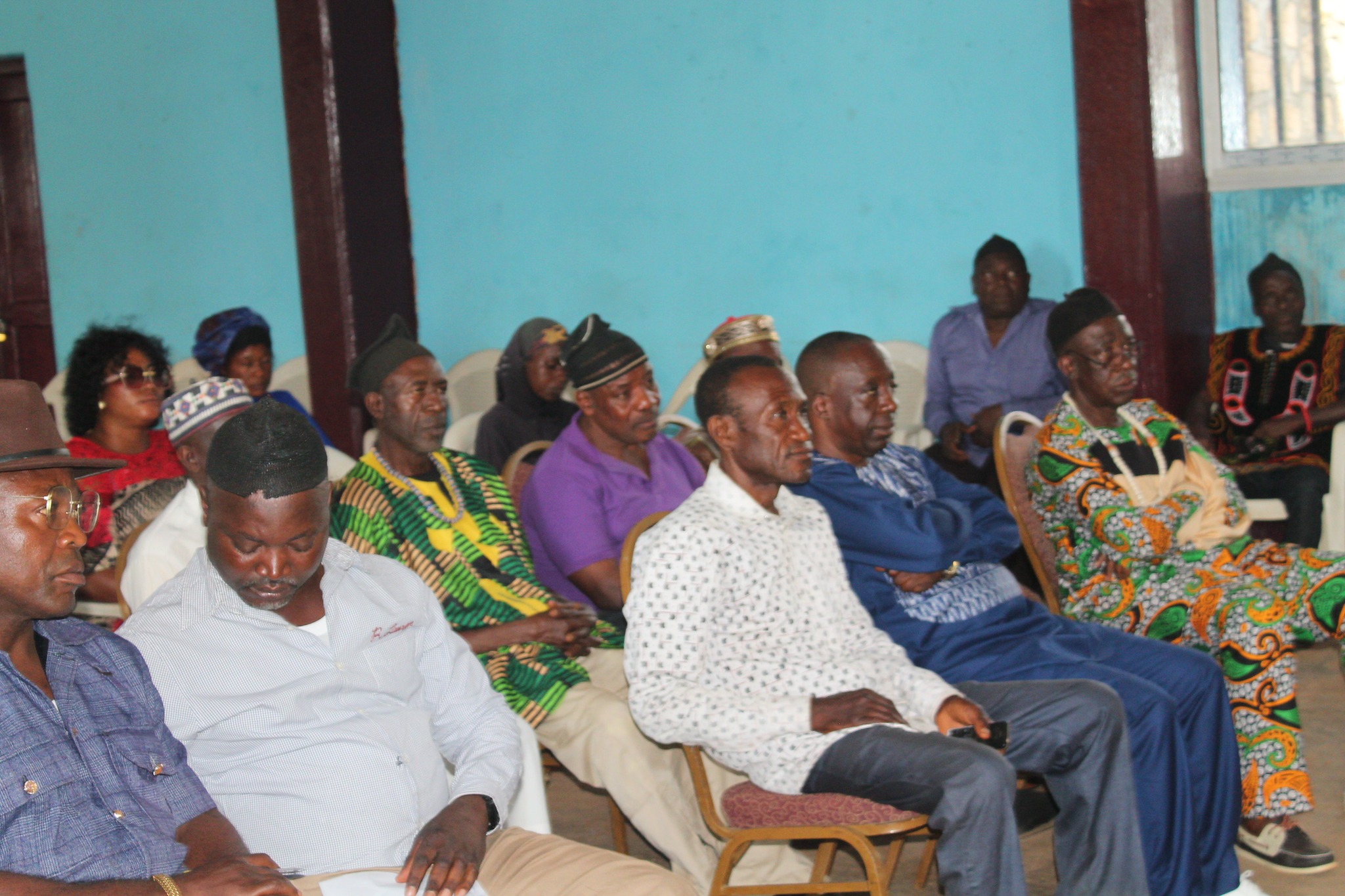
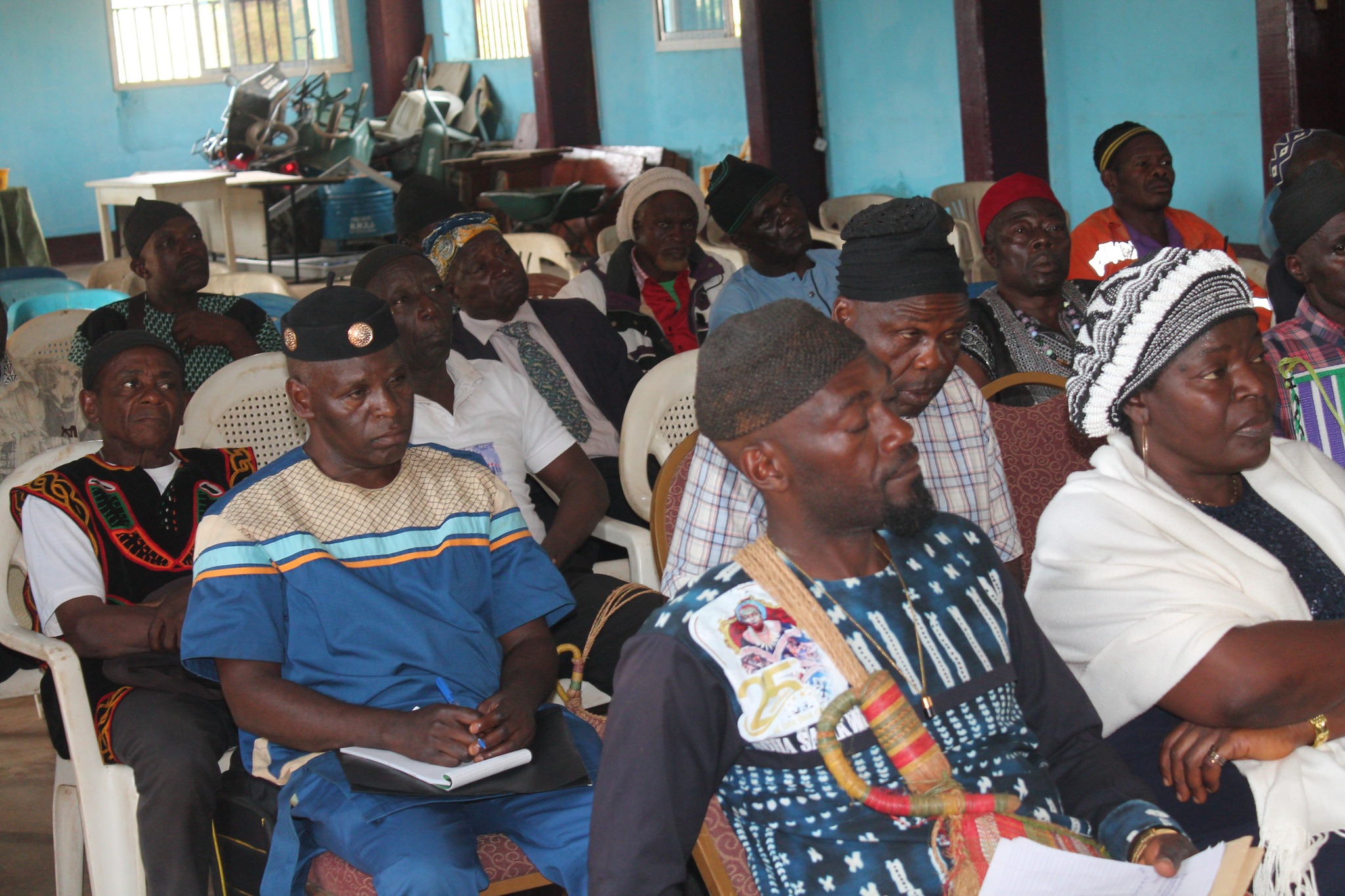
The meeting, presided over by the Mayor of Wum Council, Dighambong Anthony Mvo, attracted a diverse range of participants, including municipal councilors, traditional rulers, Coordinators of Village Development Committees, leaders of civil society organizations, local elites, and representatives from economic and development partners.
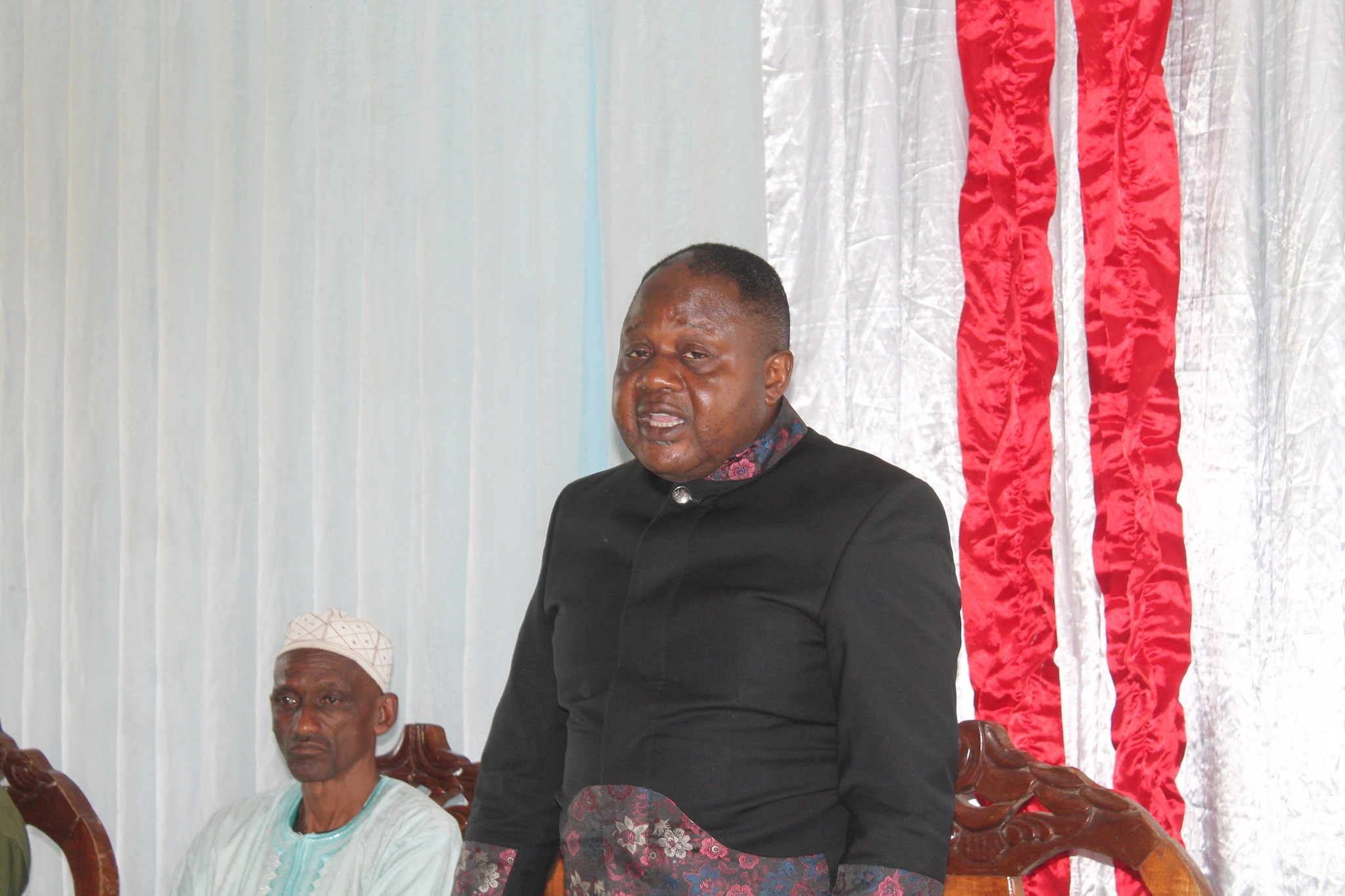
The central message emanating from the debate was a plea for realism and shared responsibility. In his opening address, the Mayor underscored the challenges facing the council, particularly fluctuating internal revenue and the need to maximize the impact of limited resources.
“For too long, budget planning has been a top-down affair, resulting in magnificent goals that often remain unachievable by the end of the fiscal year,” the Mayor stated. “Today, we are launching the roadmap for the 2026 budget with a clear mandate: we must vote a realistic budget. This requires every single stakeholder—from the market vendor paying taxes to the elite partner bringing investment—to collaborate sincerely with the council.”
The Mayor stressed that realism means aligning proposed projects with the council’s demonstrable financial capacity, rather than relying solely on uncertain future grants.
Collaborative Budgeting for Sustainable Impact
The orientation debate identified several priority sectors that the 2026 budget must address if Wum is to achieve its vision of becoming a desirable place to live. These sectors include improvements to key rural roads, sanitation and waste management infrastructure, local economic promotion, especially agriculture and small businesses, and enhancing access to primary healthcare and basic education.
Participants were charged with submitting concrete, verifiable proposals that are sustainable and directly address community needs on the ground.
HRH Nchia Joseph Ndoh, welcomed the inclusive approach. “Our communities know exactly where the potholes are and which primary school needs benches the most. By bringing us into the consultation phase now, the Council ensures that the money allocated in 2026 will solve real problems, not just theoretical ones,” he commented.
The budget orientation debate marks the official start of the participatory process. Following this strategic meeting, the Wum Council’s technical committees will integrate the recommendations received from stakeholders into preliminary budgetary frameworks.
These frameworks will be subjected to further scrutiny in specialized sector meetings over the coming days before being presented to the full Council for deliberation and final adoption in late 2025, paving the way for the implementation phase of the 2026 financial year.
Wum Council’s proactive engagement is viewed by observers as a crucial step toward enhancing transparency and accountability, ensuring that the municipality’s financial blueprint accurately reflects the ambition and realistic capacity required to build a sustainable and thriving community.